The post Why Your Range Burner Won’t Ignite & How to Fix It appeared first on Atomic Appliance Repair.
]]>Possible Reasons Why Your Range Burner Won’t Ignite
There are a variety of reasons why your range burner won’t light. One common cause is a clogged igniter, or the igniter has gotten wet. Other common causes include loose connections, faulty parts, and more. These are just a few of the potential culprits when it comes to non-igniting range burners, but don’t worry – we’ll help you troubleshoot each one.
Range Burner Won’t Ignite Due to a Clogged Igniter
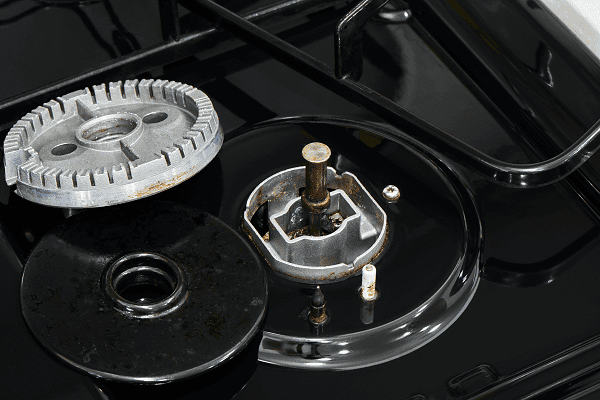
If your range burner won’t ignite, one of the most common causes is a clogged igniter. The igniters can get clogged with food debris, and over time can become blocked and unable to create the spark it needs to light the burner.
How to Clean an Igniter
To clean an igniter, start by removing the burner grates and caps. Next, use a wire brush to gently clean the debris off the igniter. Once it’s cleaned, be sure to reattach the burner caps.
Wet Burner Caps or Igniters
Are you having trouble igniting your burners after cleaning or spills? Moisture can often get trapped in the burner heads, causing issues, including a range that clicks but doesn’t light.
How to Remove Moisture from Range
To fix this, clean the burner heads and caps, shake out any excess water, and allow them to dry completely. Make sure the burners are in the right position, and that the burner heads and caps match and fit properly. Afterward, plug the unit back in and try igniting the burner with about ten clicks.
Loose Connections
Loose connections can also be the culprit behind why your range burner won’t ignite. When the connections aren’t secure, they can’t produce the spark needed to ignite the gas. As a result, the burners won’t light up.
How to Tighten Loose Connections
To fix loose connections, unplug the stove and remove the burner caps. Then, using a screwdriver, tighten all of the connections. However, be cautious not to over-tighten them and cause damage. After tightening the connections, reattach the burner caps and plug the stove back in. Finally, try turning on the burners to see if they light up. Any further repair attempts should be done by a professional.
Faulty Parts
If your range burner still won’t ignite after following the previous troubleshooting steps, there may be an issue with a worn or faulty part, which should be diagnosed and replaced by a range repair technician.
For range repair, you can depend on, contact the range repair experts at Atomic Appliance Repair. We look forward to serving you!
The post Why Your Range Burner Won’t Ignite & How to Fix It appeared first on Atomic Appliance Repair.
]]>The post Refrigerator Won’t Cool? Try These 5 Troubleshooting Steps appeared first on Atomic Appliance Repair.
]]>Five Things to Try if Your Refrigerator Won’t Cool
Before you call on a repair technician, there are a few things you can try first.
1. Check Temperature Settings
Your refrigerator functions best at a temperature range of 32ºF–40ºF. If it’s not cooling, check the temperature controls. It’s possible that the settings have been accidentally changed due to an item bumping or brushing against them.
To fix this, adjust the thermostat to the desired temperature setting and ensure that you check both the fridge and freezer controls. Be patient and wait for up to 24 hours for your refrigerator to cool down completely.
2. Reorganize Fridge Contents
Proper organization is key to keeping your refrigerator cool and functional. Overpacked and cluttered fridges may struggle to regulate cool temperatures due to obstructed airflow caused by unorganized food.
If you’re experiencing issues with a warm fridge, take a moment to reorganize its contents, ensuring that air vents remain open and accessible for proper airflow.
3. Clean Condenser Coils
Your fridge’s condenser coils are a key component of its cooling system, but they can’t function properly if they’re dirty. Dust, pet dander, and other debris can all obstruct the proper functioning of these coils, leading to issues with your fridge’s cooling ability.
If you’re finding that your fridge isn’t keeping things cool, it may be time for a quick clean of the condenser coils. Just keep in mind that cleaning instructions may vary by the model of your refrigerator, so consult your product manual before you begin.
4. Inspect and Clean Door Gaskets
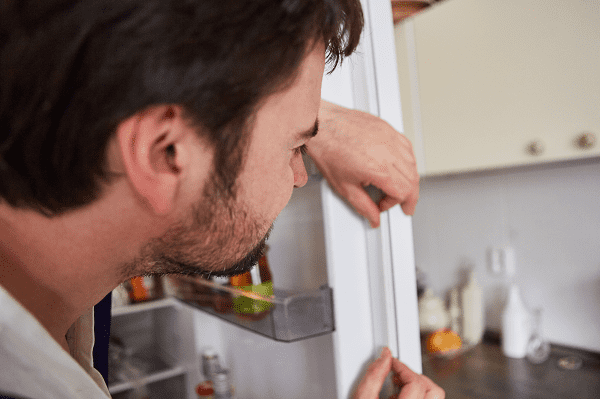
Don’t let dirty or damaged door gaskets affect the cooling performance of your fridge. These gaskets are responsible for sealing in cold air, but if they’re dirty or worn, they may not be able to seal properly, causing cool air to leak out.
Regularly inspect your door gaskets for any debris and clean them with warm soapy water as needed to prevent this issue.
5. Inspect Possible Faulty Parts
The evaporator fan, condenser fan, compressor, or start relay may be the cause of the issue. Listen for any unusual noises or other symptoms such as the fridge overheating or cycling on and off frequently to help determine which part may be faulty.
It’s best to schedule an appointment with a professional appliance repair technician to accurately diagnose and repair the issue.
Tips to Prevent Food From Spoiling
While you try to troubleshoot the problem yourself or wait for professional repair, there are a few things you can do to prevent your food from spoiling:
- Minimize how often you open the fridge door.
- Relocate perishables to a cooler area.
- Avoid placing hot or warm items inside the fridge.
If you’ve tried troubleshooting the issue yourself and are still having issues, give the refrigerator repair experts a call today.
The post Refrigerator Won’t Cool? Try These 5 Troubleshooting Steps appeared first on Atomic Appliance Repair.
]]>